
People are dying senseless deaths due to the drug and alcohol problems in Florida. Let’s examine some real facts!
There are 47 licensed addiction treatment facilities in Broward County, in Fort Lauderdale, Pompano Beach, Hollywood and Deerfield Beach and 1 other communities. Of these, 14 offer detox, 15 provide residential care, 27 run intensive outpatient programs and 36 offer medication-assisted treatment. 20 accept Medicaid, 40 take private insurance and 13 offer a sliding fee scale.
Premier spot available
Feature your facility right under the search bar on county, city and treatment pages.
Advertise hereRehab Centers in Broward County
Facilities marked Ad are paid Premier and Featured listings and appear first. All other facilities are listed by distance, or alphabetically when no location is given. How we sort results
William Bill Kling – VA Clinic
9800 West Commercial Boulevard, Fort Lauderdale, FL 33351 12 mi
- Detox
- Outpatient
- Medication-assisted treatment (MAT)
- Dual diagnosis
- +1 more
Metro Treatment of Florida LP – New Season Treatment Center 17
2175-7 North University Drive, Suite 7, Fort Lauderdale, FL 33322 14 mi
- Medication-assisted treatment (MAT)
- Telehealth
Thrive – MH and SA Recovery Support Services
7800 West Oakland Park Boulevard, Building E-115, Fort Lauderdale, FL 33351 14 mi
- Intensive outpatient (IOP)
- Outpatient
- Dual diagnosis
- Telehealth
Sylvia Brafman Mental Health Center
7710 NW 71st Court, Fort Lauderdale, FL 33321 14 mi
- Partial hospitalization (PHP)
- Intensive outpatient (IOP)
- Outpatient
- Medication-assisted treatment (MAT)
- +2 more
Nana House inc
2053 North University Drive, Fort Lauderdale, FL 33322 14 mi
- Residential / inpatient
- Partial hospitalization (PHP)
- Intensive outpatient (IOP)
- Outpatient
- +3 more
Broward Addiction Recovery Center – Stephen R Booher Facility
3275 NW 99th Way, Pompano Beach, FL 33065 15 mi
- Residential / inpatient
- Medication-assisted treatment (MAT)
Banyan Health Systems – Integrated OP Services
4900 West Oakland Boulevard, Fort Lauderdale, FL 33313 16 mi
- Outpatient
- Medication-assisted treatment (MAT)
- Dual diagnosis
- Telehealth
Ignite Recovery Center LLC
4850 West Oakland Park Boulevard, Suite 257, Fort Lauderdale, FL 33313 16 mi
- Partial hospitalization (PHP)
- Intensive outpatient (IOP)
- Outpatient
- Medication-assisted treatment (MAT)
- +1 more
Show 39 more
Florida Addiction and Recovery Ctr
3601 West Commercial Boulevard, Suite 35, Fort Lauderdale, FL 33309 17 mi
- Partial hospitalization (PHP)
- Intensive outpatient (IOP)
- Outpatient
- Medication-assisted treatment (MAT)
- +3 more
Recovery in Tune
6530 Griffin Road, Fort Lauderdale, FL 33314 17 mi
- Partial hospitalization (PHP)
- Intensive outpatient (IOP)
- Medication-assisted treatment (MAT)
- Dual diagnosis
Evolutions Treatment Center
2901 West Cypress Creek Road, Suite 123, Fort Lauderdale, FL 33309 18 mi
- Partial hospitalization (PHP)
- Intensive outpatient (IOP)
- Medication-assisted treatment (MAT)
- Dual diagnosis
Recovery First Treatment Center
4110 Davie Road Extension, Hollywood, FL 33024 18 mi
- Residential / inpatient
- Partial hospitalization (PHP)
- Intensive outpatient (IOP)
- Outpatient
- +3 more
Broward Addiction Recovery Center – Edgar P Mills Multi/Purpose Center
900 NW 31st Avenue, Suite 2000, Fort Lauderdale, FL 33311 18 mi
- Intensive outpatient (IOP)
- Outpatient
- Medication-assisted treatment (MAT)
- Telehealth
Miami VA Healthcare System – Pembroke Pines/Hollywood CBOC
7369 Sheridan Street, Suite 102, Hollywood, FL 33024 19 mi
- Detox
- Outpatient
- Medication-assisted treatment (MAT)
- Dual diagnosis
- +1 more
Principles Recovery Center
4343 South State Road 7, Suite 101, Fort Lauderdale, FL 33314 19 mi
- Partial hospitalization (PHP)
- Intensive outpatient (IOP)
- Outpatient
- Medication-assisted treatment (MAT)
- +2 more
Compassion Behavioral Health
Fort Lauderdale, FL 33309 19 mi
- Partial hospitalization (PHP)
- Intensive outpatient (IOP)
- Outpatient
- Medication-assisted treatment (MAT)
- +3 more
Central Florida Treatment Center – Fort Lauderdale OP MAT
3181 Davie Boulevard, Fort Lauderdale, FL 33312 19 mi
- Detox
- Outpatient
- Medication-assisted treatment (MAT)
- Telehealth
Village South Inc – LIFE Program
1633 Poinciana Drive, Hollywood, FL 33025 19 mi
- Residential / inpatient
- Outpatient
- Medication-assisted treatment (MAT)
- Dual diagnosis
Way Home Treatment Center
1100 West Oakland Park Boulevard, Suite 3, Fort Lauderdale, FL 33311 20 mi
- Partial hospitalization (PHP)
- Intensive outpatient (IOP)
- Outpatient
- Medication-assisted treatment (MAT)
- +2 more
Care Resource Comm Health Ctrs – DBA Care Resource
871 West Oakland Park Boulevard, Fort Lauderdale, FL 33311 20 mi
- Outpatient
- Medication-assisted treatment (MAT)
- Dual diagnosis
- Telehealth
Helping Hands Recovery Center
4101 North Andrews Avenue, Suite 209, Fort Lauderdale, FL 33309 20 mi
- Intensive outpatient (IOP)
- Outpatient
- Dual diagnosis
Broward House Inc – Substance Abuse Treatment Program
2800 North Andrews Avenue, Fort Lauderdale, FL 33311 21 mi
- Partial hospitalization (PHP)
- Intensive outpatient (IOP)
- Outpatient
- Sober living
- +1 more
House of Hope – Residential/1st Street
908 SW 1st Street, Fort Lauderdale, FL 33312 21 mi
- Residential / inpatient
- Medication-assisted treatment (MAT)
- Dual diagnosis
Retreat of Broward Inc
100 NW 17th Avenue, Pompano Beach, FL 33069 21 mi
- Detox
- Residential / inpatient
- Hospital inpatient
- Medication-assisted treatment (MAT)
- +1 more
Metro Treatment of Florida LP – New Season Treatment Center 12
555 SW 12th Avenue, Suites 100-101, Pompano Beach, FL 33069 21 mi
- Outpatient
- Medication-assisted treatment (MAT)
- Telehealth
Treatment Solutions of South Florida – DBA 1st Step Behavioral Health
150 SW 12th Avenue, Suite 320, Pompano Beach, FL 33069 21 mi
- Detox
- Residential / inpatient
- Partial hospitalization (PHP)
- Intensive outpatient (IOP)
- +4 more
Archways Behav Healthcare Center – Main Facility
919 NE 13th Street, Fort Lauderdale, FL 33304 22 mi
- Partial hospitalization (PHP)
- Intensive outpatient (IOP)
- Outpatient
- Dual diagnosis
Banyan Health Systems – BBHC Pompano
220 SW 2nd Street, Pompano Beach, FL 33060 22 mi
- Residential / inpatient
- Medication-assisted treatment (MAT)
- Dual diagnosis
Broward Addiction Recovery Center – (BARC)/Detox and Outpatient
325 SW 28th Street, Fort Lauderdale, FL 33315 22 mi
- Detox
- Residential / inpatient
- Intensive outpatient (IOP)
- Outpatient
- +2 more
Addictions Behavioral Health Center
1730 East Commercial Boulevard, Fort Lauderdale, FL 33334 22 mi
- Partial hospitalization (PHP)
- Intensive outpatient (IOP)
- Outpatient
- Medication-assisted treatment (MAT)
- +2 more
Bougainvilla House
1721 SE 4th Avenue, Fort Lauderdale, FL 33316 22 mi
- Intensive outpatient (IOP)
- Outpatient
- Dual diagnosis
- Telehealth
Gracepoint Treatment Center
1919 NE 45th Street, Suite 119, Fort Lauderdale, FL 33308 22 mi
- Intensive outpatient (IOP)
- Outpatient
- Sober living
- Dual diagnosis
Lifeskills – Fort Lauderdale
4841 NE 20th Avenue, Fort Lauderdale, FL 33308 22 mi
- Detox
- Residential / inpatient
- Dual diagnosis
Alora Recovery
2331 NE 53rd Street, Fort Lauderdale, FL 33308 22 mi
- Detox
- Residential / inpatient
- Medication-assisted treatment (MAT)
Map to Health – DBA Recovery Unplugged
915 Middle River Drive, Suite 114, Fort Lauderdale, FL 33304 23 mi
- Partial hospitalization (PHP)
- Intensive outpatient (IOP)
- Outpatient
- Medication-assisted treatment (MAT)
- +3 more
Miami VA Healthcare System – Deerfield Beach CBOC
2100 SW 10th Street, Deerfield Beach, FL 33442 23 mi
- Detox
- Outpatient
- Medication-assisted treatment (MAT)
- Dual diagnosis
- +1 more
Miami VA Healthcare System – Hollywood CBOC
3702 Washington Street, Suite 201, Hollywood, FL 33021 23 mi
- Detox
- Outpatient
- Medication-assisted treatment (MAT)
- Dual diagnosis
- +1 more
CMET LLC – Counseling Mediation Educ and Trt
3600 North Ocean Boulevard, 2nd Floor, Fort Lauderdale, FL 33308 23 mi
- Outpatient
- Dual diagnosis
- Telehealth
Lifeskills – Deerfield Beach
1431 SW 9th Avenue, Deerfield Beach, FL 33441 23 mi
- Residential / inpatient
- Medication-assisted treatment (MAT)
- Dual diagnosis
Banyan Pompano – Outpatient Treatment Services
950 North Federal Highway, Pompano Beach, FL 33062 23 mi
- Partial hospitalization (PHP)
- Intensive outpatient (IOP)
- Medication-assisted treatment (MAT)
- Sober living
- +2 more
Coral Bay Recovery
3170 North Federal Highway, Suite 204-A, Pompano Beach, FL 33064 24 mi
- Detox
- Intensive outpatient (IOP)
- Outpatient
- Medication-assisted treatment (MAT)
- +2 more
Treatment Solutions of South Florida
3773 North Federal Highway, Pompano Beach, FL 33064 24 mi
- Detox
- Residential / inpatient
- Medication-assisted treatment (MAT)
- Dual diagnosis
- +1 more
Metro Treatment of Florida LP – New Season Treatment Center 2
1101 South 21st Avenue, Hollywood, FL 33020 24 mi
- Intensive outpatient (IOP)
- Outpatient
- Medication-assisted treatment (MAT)
- Telehealth
Sunlight Recovery
505 South Federal Highway, Suites 4-6, Deerfield Beach, FL 33441 25 mi
- Partial hospitalization (PHP)
- Intensive outpatient (IOP)
- Dual diagnosis
FHE Health
505 South Federal Highway, Suite 2, Deerfield Beach, FL 33441 25 mi
- Partial hospitalization (PHP)
- Intensive outpatient (IOP)
- Dual diagnosis
FHE Health
504 South Federal Highway, Deerfield Beach, FL 33441 25 mi
- Detox
- Residential / inpatient
- Partial hospitalization (PHP)
- Intensive outpatient (IOP)
- +2 more
Boca Recovery Center
901A Clint Moore Road, Suite 901-A, Boca Raton, FL 33487 28 mi
- Detox
- Residential / inpatient
- Medication-assisted treatment (MAT)
- Dual diagnosis
Guide to Rehab in Broward County
Broward County Rehab Overview
Broward County Drug and Alcohol Problems are Epidemic
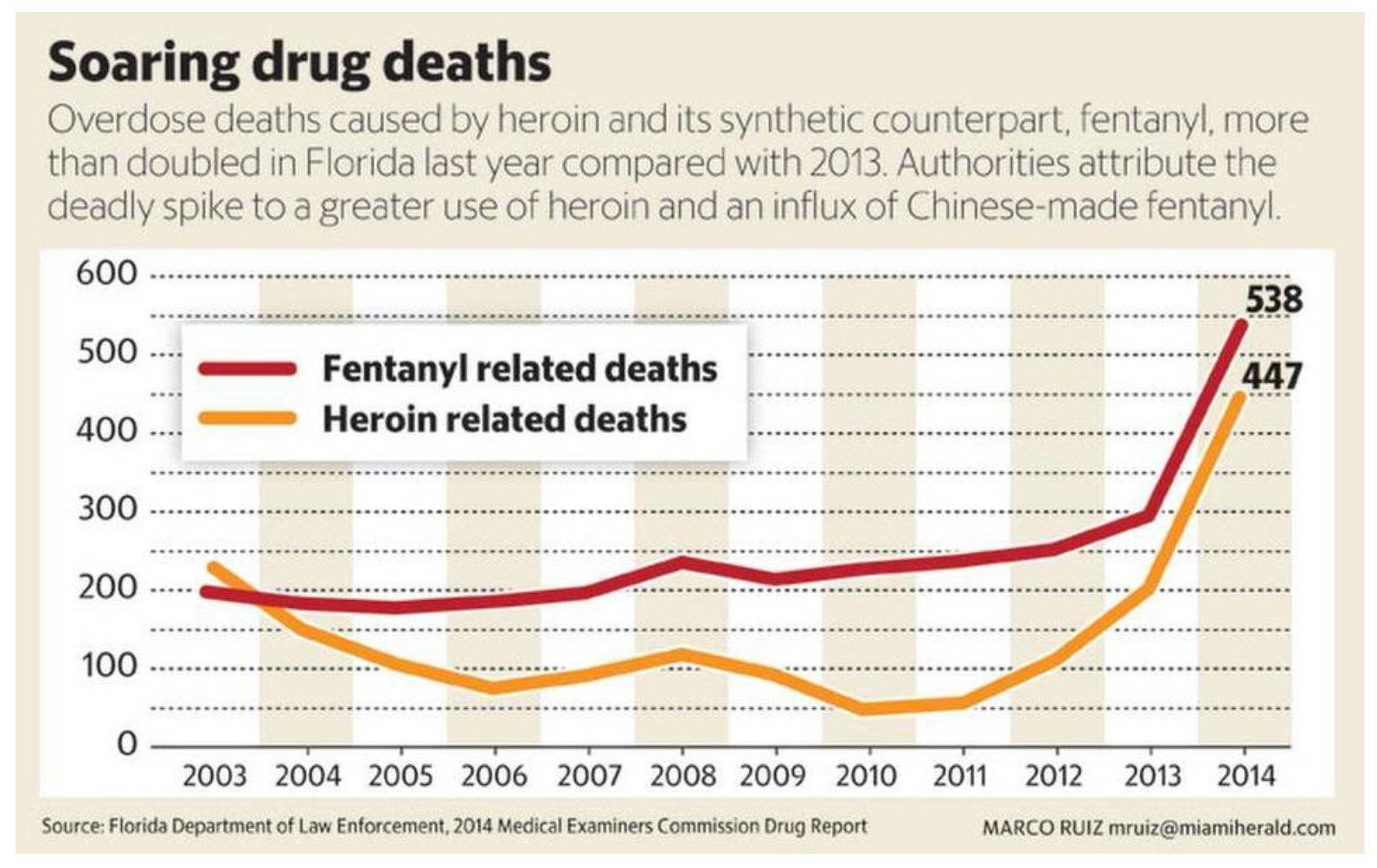
According to the Miami Herald “Fentanyl is much deadlier than flakka,” said Raynette Savoy Kornickey, spokeswoman for the U.S. Drug Enforcement Administration in South Florida. “It’s 50 times stronger than heroin and 80 times stronger than morphine. A minute amount will kill you. It is being mixed with heroin, flakka and other drugs, and no one knows what they are taking. It’s scary.”
The fentanyl spike, along with a similar increase in heroin-related deaths, also coincides with a crackdown on Florida’s notorious “pill mill” clinics, which illegally doled out prescription painkillers. The FDLE report, which compiled 2014 statistics from medical examiners across the state, showed that deaths related to oxycodone – one of the most popular painkillers – have steadily decreased.
Law-enforcement officers believe many users have switched to heroin and unwittingly taken fentanyl or closely-related cousins. This year alone, fentanyl and its variants have outright caused or contributed to 53 deaths in Miami-Dade – more than double the toll in 2014.
“The rate of growth is alarming,” said Liz Zaney, a toxicologist at the Miami-Dade medical examiner’s office.”
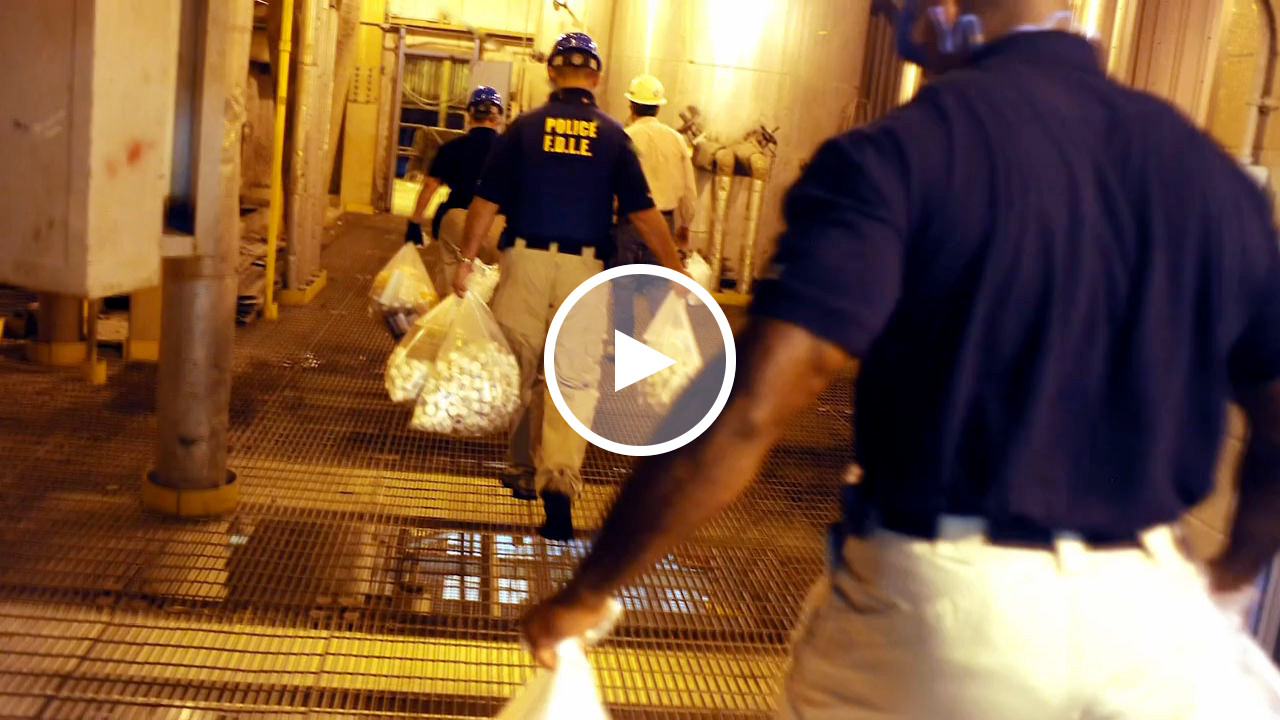
According to the Sun Sentinel Broward County leads the nation in flakka cases!
“Police are finding more of the new designer drug flakka in Broward County than anywhere else in the nation, records obtained by the Sun Sentinel show.
Crime labs analyzed 477 cases of flakka confiscated in Broward in 2014, according to statistics from the U.S. Drug Enforcement Agency. No other county came close, with Chicago’s Cook County clocking in next with 212 cases.
When adjusted for population, Broward’s rate of flakka cases outpaced all major urban counties. With a population of 1.8 million, Broward had a rate of 27 cases per 100,000 residents.”
“South Florida has a reputation as party people and has always been ground zero for cocaine and oxycodone, now it’s flakka,” said DEA special agent Kevin Stanfield, a supervisor at the DEA’s headquarters in Weston. “It seems to be taking root. We hope we can stop this. I would rather South Florida be known for other things than the emergence of drug trends.”
We have to face the facts – drugs such as flakka are taking over as a new trend.
According to Justice.org publication “Widespread CPD diversion and abuse, particularly of opioid pain relievers, are significant drug threats to the South Florida HIDTA region because of the overall negative societal effects of CPDs.”
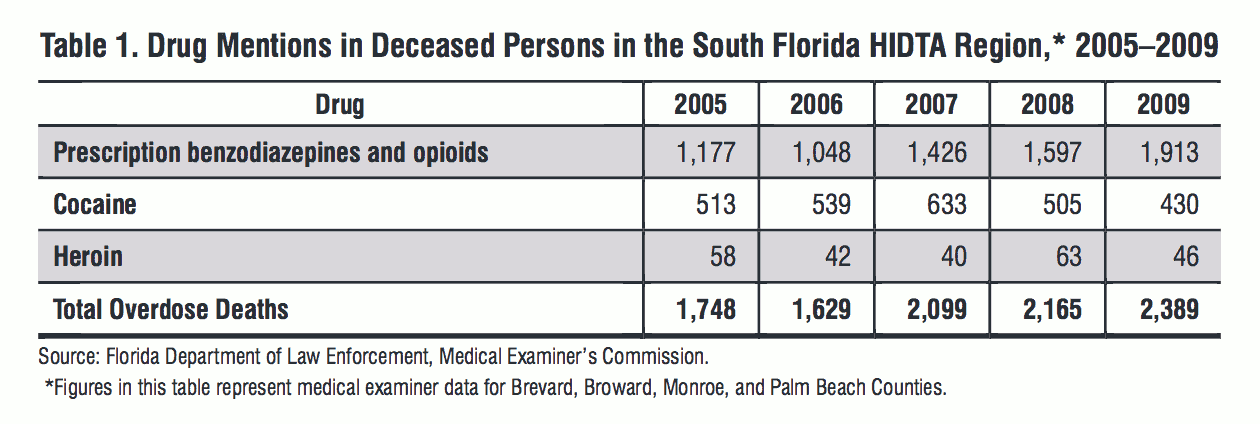
according to – http://www.djj.state.fl.us/research/fast-facts/trends-conditions
Juvenile Drug and Alcohol Arrests Statistic in Broward County
The stats maybe out dated but the issues are still alive and concerning:
- Felony drug arrests decreased 28%, from 2,721 in FY 2010-11 to 1,968 in FY 2012-13.
- Misdemeanor drug arrests declined 20%, from 8,489 during FY 2010-11 to 6,768 in FY 2012-13.
- Alcohol offense arrests declined 16%, from 1,416 during FY 2010-11 to 1,193 during FY 2012-13.”
Deaths from Drugs and Alcohol in Florida are overwhelming
According to DrugAbuse.gov “Data on drug-related mortality presented were provided by the Florida Department of Law Enforcement (FDLE) Medical Examiners Commission’s 2013 Interim Report of Drugs Identified in Deceased Persons between January and June 2013. The report provides information on the total number of various drugs detected in 4,159 decedents, mostly for whom an autopsy was performed but not for all of the more than 94,000 deaths that occurred in Florida during the first 6 months of 2013. The numbers of drugs detected are referred to as “occurrences” and should not be confused with the actual number of drug-related deaths.”
“The number of heroin-related deaths (occurrences) increased sharply between 2011 and 2012, declined in the first half of 2013 compared with the last half of 2012 statewide and in Broward county, but they increased in Miami-Dade during that period. South American heroin has been entering the South Florida area over the past two decades. However, reports and seizures of Mexican heroin in South Florida have been noted since 2008. The proportion of primary treatment admissions for heroin increased in the two South Florida counties between 2012 and 2013. The number of crime laboratory reports for heroin among seized drug items analyzed by NFLIS laboratories increased by 33 percent in the region between 2012 and 2013. Many heroin consequences also involved the nonmedical use of prescription opioids. “
Sheriff’s office in Broward County Helps

According to the Broward County Sheriff’s Office “The DUI Unit works to enforce DUI laws, process DUI offenders and increase awareness of the hazards of driving or boating while under the influence of alcohol or drugs. Nearly 30% of Florida’s traffic fatalities in 2004 were alcohol-related and in the last 20 years, alcohol-related fatalities have increased by one-third. The need for effective and proactive enforcement of Florida’s DUI laws is crucial in combating a growing problem on the highways and waterways of the state.”
Operation Medicine Cabinet asks “Would You Know if Your Child Was Addicted to Prescription Drugs?”
While illegal drug use among teens is falling, teen prescription drug abuse is on the rise. One in five teens has abused a prescription pain medication, and in Florida prescription drugs have killed 300% more people than illegal drugs.
Prescription and Non Prescription Overdose Deaths
Between June 2010 and May 2011, the Broward Sheriff’s Office Homicide Unit investigated 53 overdose death cases in Broward County.
- 79% of those deaths were overdoses by prescription drugs; 21% were from other drugs.
- 85% of these deaths were accidental; 15% were intentional suicides.
- 96% of the victims were Caucasian; 4% were African American.
- 70% of the victims were men; 30% were women.
To learn more about Operation Medicine Cabinet or for information about BSO’s Prescription Drug Take Back Program please contact:
Jonathon Fishman, Prescription Drug Prevention Specialist
Broward Sheriff’s Office
Is there free drug rehab if I do not have insurance or any monies to pay for a private Center?
Yes – Broward County’s Drug Court is the third oldest drug court in the nation, created in 1991, and the Drug Court Treatment Division serves close to 800 clients daily. The Drug Court Treatment Division has two programs providing diversion from jail or prison for persons with substance related conditions. Participants are charged a fee for services based on a sliding scale that measures income and the number of dependents. All participants are expected to pay for treatment on a weekly basis. For more information, please contact the Drug Court Treatment Program at (954) 375-6180.
Common Questions About Rehab in Broward County
Are there detox centers near Broward County?
Yes. 14 of the facilities listed here offer detox, including William Bill Kling – VA Clinic, Miami VA Healthcare System – Pembroke Pines/Hollywood CBOC and Central Florida Treatment Center – Fort Lauderdale OP MAT. Medical detox is often the first step for alcohol, opioid, or benzodiazepine dependence, because withdrawal from these can be dangerous without supervision.
Do rehabs near Broward County accept Medicaid?
20 of the 47 facilities listed accept Medicaid, and 13 offer a sliding fee scale based on income. Call the facility to confirm they are taking new Medicaid patients.
What is the difference between inpatient and outpatient rehab?
Residential (inpatient) programs have you live at the facility, usually for 30 to 90 days, and suit people who need structure or a break from their environment. Outpatient and intensive outpatient programs let you live at home and attend treatment during the day or evening. Near Broward County, 15 facilities offer residential care and 27 offer intensive outpatient programs.
Is there free or low-cost rehab near Broward County?
Some options are available. Near Broward County, 13 facilities offer a sliding fee scale based on income, 26 are state or federally funded, and 11 offer payment assistance. Call ahead to ask what you would pay.
Which cities in Broward County have rehab centers?
Treatment facilities listed here are in Fort Lauderdale (28), Pompano Beach (8), Hollywood (5), Deerfield Beach (5) and Boca Raton (1). Choose a city page for the closest options, or use the search to filter by type of care and insurance.
Can I get medication-assisted treatment near Broward County?
Yes. 36 facilities near Broward County offer medication-assisted treatment (MAT), which combines medications such as buprenorphine, methadone or naltrexone with counseling. See MAT programs in Florida to learn how it works.
