
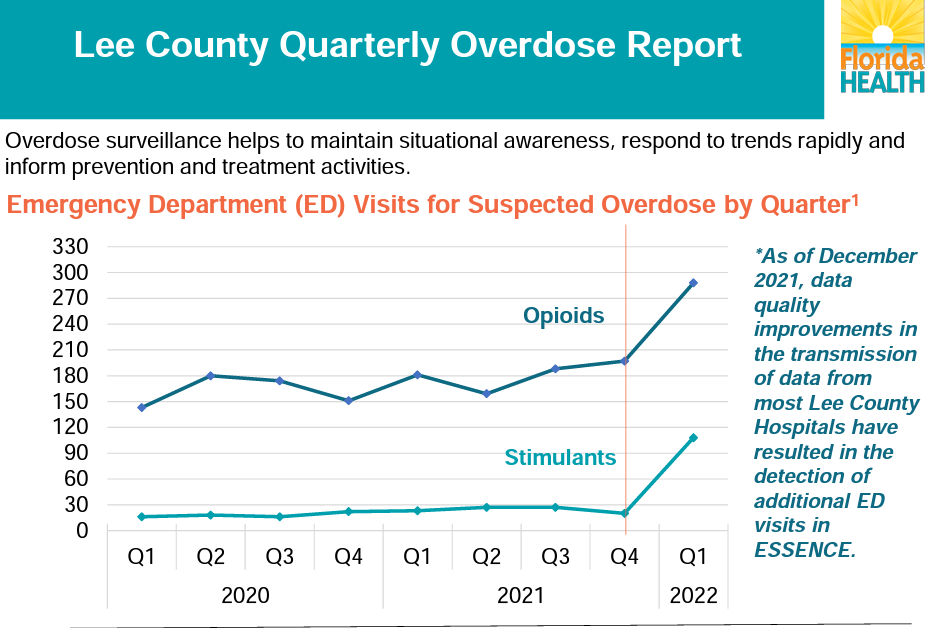
Believe it or not, Lee County, Florida has become the focal point of the opioid epidemic in Southwest Florida, with significantly higher death rates compared to neighboring counties. Overdoses in Lee County in 2017 were 955 and in the first quarter of 2022 almost 300 overdoses alone were documented.
There are 17 licensed addiction treatment facilities in Lee County, in Fort Myers, North Fort Myers, Cape Coral and Lehigh Acres. Of these, 5 offer detox, 4 provide residential care, 6 run intensive outpatient programs and 12 offer medication-assisted treatment. 9 accept Medicaid, 14 take private insurance and 3 offer a sliding fee scale.
Premier spot available
Feature your facility right under the search bar on county, city and treatment pages.
Advertise hereRehab Centers in Lee County
Facilities marked Ad are paid Premier and Featured listings and appear first. All other facilities are listed by distance, or alphabetically when no location is given. How we sort results
Park Royal Hospital
9241 Park Royal Drive, Fort Myers, FL 33908 5.9 mi
- Detox
- Hospital inpatient
- Dual diagnosis
Calusa Recovery
15611 New Hampshire Court, Suite A, Fort Myers, FL 33908 6.3 mi
- Partial hospitalization (PHP)
- Intensive outpatient (IOP)
- Outpatient
- Medication-assisted treatment (MAT)
- +3 more
Sprout Recovery
4519 Tilton Court, Fort Myers, FL 33919 7.1 mi
- Partial hospitalization (PHP)
- Intensive outpatient (IOP)
- Outpatient
- Sober living
- +2 more
White Sands Alcohol and Drug Rehab – Fort Myers
1820 Colonial Boulevard, Fort Myers, FL 33907 7.1 mi
- Partial hospitalization (PHP)
- Intensive outpatient (IOP)
- Medication-assisted treatment (MAT)
- Dual diagnosis
- +1 more
WhiteSands Alcohol and Drug Rehab – Fort Myers
1870 Colonial Boulevard, Fort Myers, FL 33907 7.2 mi
- Detox
- Residential / inpatient
- Medication-assisted treatment (MAT)
- Sober living
- +2 more
Centerstone
4350 Fowler Street, Unit 15, Fort Myers, FL 33901 7.9 mi
- Outpatient
- Medication-assisted treatment (MAT)
- Dual diagnosis
- Telehealth
Show 9 more
AIM Target Programs Inc
3049 Cleveland Avenue, Suite 100, Fort Myers, FL 33901 8.0 mi
- Outpatient
- Telehealth
White Sands Alcohol and Drug Rehab – Fort Myers/Sunspire
14150 Metropolis Avenue, Suite 3, Fort Myers, FL 33912 8.3 mi
- Partial hospitalization (PHP)
- Intensive outpatient (IOP)
- Medication-assisted treatment (MAT)
- Sober living
- +1 more
SalusCare – Evans Campus
3763 Evans Avenue, Fort Myers, FL 33901 8.4 mi
- Outpatient
- Medication-assisted treatment (MAT)
- Dual diagnosis
- Telehealth
SalusCare – Transitional Living Center (TLC)
2516 Grand Avenue, Fort Myers, FL 33901 8.4 mi
- Residential / inpatient
- Medication-assisted treatment (MAT)
- Sober living
- Dual diagnosis
- +1 more
Oasis Recovery Center – Oasis Recovery Center
3625 Hidden Tree Lane, Fort Myers, FL 33901 8.5 mi
- Detox
- Residential / inpatient
- Partial hospitalization (PHP)
- Intensive outpatient (IOP)
- +3 more
Groups Recover Together
1357 North Tamiami Trail, Unit B, North Fort Myers, FL 33903 9.7 mi
- Outpatient
- Medication-assisted treatment (MAT)
- Telehealth
Operation PAR Inc – Medication Assisted Patient Services
535 Pine Island Road, Suite M, North Fort Myers, FL 33903 9.7 mi
- Medication-assisted treatment (MAT)
- Dual diagnosis
- Telehealth
Celadon Recovery Center
3331 East Riverside Drive, Fort Myers, FL 33916 11 mi
- Detox
- Residential / inpatient
- Medication-assisted treatment (MAT)
- Dual diagnosis
- +1 more
Metro Treatment of Florida LP – New Season Treatment Center 6
1415 Homestead Road North, Lehigh Acres, FL 33936 21 mi
- Detox
- Intensive outpatient (IOP)
- Outpatient
- Medication-assisted treatment (MAT)
- +2 more
Guide to Rehab in Lee County
Lee County Rehab Overview
The rise in deaths and overdoses can be attributed to the increased availability and use of opioids, particularly heroin and fentanyl. The opioid epidemic has been fueled by various factors, including the aggressive marketing of opioids by pharmaceutical companies, the classification of pain as a vital sign, and the crackdown on prescription drugs, leading to a shift towards illegal street drugs.
Law enforcement agencies have witnessed a surge in heroin-related arrests and seizures. Fentanyl, a highly potent synthetic opioid, has also contributed to the rising death toll. Lee County is committed to public education, documenting prescribed opioids, harm reduction strategies, and expanded treatment options to address the opioid crisis effectively.
Opioid Epidemic in Lee County
The editor and chief of the Seahawks Eye AJ Cudnik, Editor-in-Chief wrote a great article that details trends in Lee County. The take away is the opioid epidemic in Lee County, Florida, has reached its worst point, with a surge in fentanyl-laced drugs posing a significant threat to the community. Opiate overdoses have been on the rise across the county, leading doctors to search for solutions to stem the outbreak.
Dr. Tim Dougherty, a medical toxicology specialist, highlighted the shift from pill mills to intravenous (IV) drug use after the closure of pill mills. From 2015 to 2021, drug overdose deaths in Lee County increased by 250%, despite a decline in legitimate opioid prescriptions.
To combat the epidemic, the Lee County Sheriff’s Office has implemented measures to track down drug dealers, focusing on those involved in selling fentanyl or fentanyl-laced drugs. Additionally, the Food and Drug Administration’s approval of over-the-counter use of naloxone, commonly known as Narcan, is expected to help reduce opioid overdose mortality rates. Narcan can temporarily reverse opioid overdoses and has proven effective for emergency medicine personnel, family members, Lee County Sheriff’s, and all first responders in saving lives.
Council member Tom Hayden emphasizes the need for more access to education, gradual cessation strategies, recovery services and support programs for addicts. Public awareness and prevention efforts, particularly among students and young people, are crucial to addressing the issue. Organizations like Drug-Free Southwest Florida work closely with local schools and students to raise awareness about destructive behaviors, including drug abuse, addiction, and underage drinking.
Deb Comella, Executive Director of Drug-Free SWFL, stresses the need for open communication between parents and children about all substance abuse and drug-related issues. Encouraging dialogue and dispelling myths can help young individuals make informed choices and seek treatment services when needed for opioid addiction.
The Lee County sheriff’s office has a narcotics unit. According to their website the narcotics unit is responsible for all Narcotics arrests in Lee County, including all municipalities. This unit is comprised of 26 agents with military support, full-time attorneys and a lab to combat the drug problem in Lee County.
Regarding recovery options, Hayden believes that eliminating the stigma associated with drug use, alcoholism and opioid addiction is crucial in encouraging individuals to seek assistance in Cape Coral, and the Fort Myers area and throughout the Lee County.
Lee County offers drug therapies for withdrawal, including buprenorphine, which helps curb withdrawal symptoms and reduces cravings. However, there is a need for increased access to psychological and addiction counselors, as many individuals struggling with drug addiction also face mental health challenges.
Marchman Act Lee County
A Marchman Act, is a Florida statute providing emergency intervention for those over-using drugs or alcohol. It’s meant primarily to address serious situations where a chronic substance user refuses to seek, or is incapable of seeking help for their drug abuse, alcoholism, or opioid addiction and may be a danger to themselves or others of all ages.
Family members in Cape Coral, Fort Myers and throughput Lee County can file online or visit the Lee County clerk’s office to begin this process.
- Complete the following for Assessment and Stabilization
- Options on ways to submit your filings:
- Efiling through the eportal Florida Courts E-Filing Portal | File Court Documents Online (myflcourtaccess.com)
- In person at our Fort Myers Location, 2075 Martin Luther King Jr. Blvd., 2nd Floor, Fort Myers FL 33901
- Hearing – Once Clerk’s office receives Petition and Party Information Sheet a case number is assigned, and hearing will be scheduled.
- Hearings are scheduled every Monday. To ensure adequate service time is provided, below is the cut off for scheduling a hearing:
- Paperwork received on or before Wednesday is scheduled for the following Monday
- Paperwork received after Wednesday will be scheduled a week and a half out
- Hearings are scheduled every Monday. To ensure adequate service time is provided, below is the cut off for scheduling a hearing:
- Petitioners are required to attend the hearing regardless if subject has been not served. No appearance by either party will result in the case to be dismissed
The Marchman Act petition must be filed in the County where the individual is currently located.
Lee County clerk’s office maintains the records on involuntary procedures related to mental illness, drug abuse, developmentally disabled, tuberculosis, and adult protective services.
The criteria and procedures for the Marchman Act (substance abuse) or Baker Act (mental health) cases are different.
Finding Help Now
For those seeking support, national and state hotlines are available. The Substance Abuse and Mental Health Services Administration (SAMHSA) Treatment Referral hotline provides free and confidential referrals and information. In Florida, the statewide Substance Abuse Hotline offers counseling and guidance for individuals in drug-related crises.
Overall, addressing the opioid epidemic in Lee County requires a multifaceted approach involving education, prevention, support systems, and increased access to treatment options and mental health services.
https://leecountyaa.org/ – Alcoholics Anonymous
http://www.southfloridaal-anon.org/ – Al-anon
https://caflorida.org/ – Cocaine Anonymous
https://naflorida.org/ – Narcotics Anonymous
https://findtreatment.gov/ National Helpline
Opioid Settlements for Florida and Lee County
As of January 31, 2022, settlement agreements have been finalized, resolving all opioid litigation brought by states and local political subdivisions against Johnson & Johnson, McKesson, Cardinal Health, and AmerisourceBergen. The settlements require these companies to pay billions of dollars to address the opioid epidemic. The Distributors will pay up to $21 billion over 18 years, and Johnson & Johnson will pay up to $5 billion over a maximum of 9 years, totaling $26 billion. Around $22.7 billion of the settlement amount will be used by participating states and subdivisions to mitigate the impact of the opioid crisis.
Endo Health Solutions
Attorney General Moody negotiated a $65 million settlement agreement with Endo Health Solutions Inc., a company accused of deceptively marketing opioid medications and neglecting to monitor and report suspicious orders. Non-litigating subdivisions in Florida have until June 14, 2022, to sign onto the settlement.
CVS Health Corporation, CVS Pharmacy, Inc.
Florida will receive up to $440 million from CVS over 18 years, with a portion allocated directly to cities and counties. These funds must be utilized for opioid abatement, including prevention efforts, treatment, or recovery services. Attorney General Moody negotiated an allocation plan with the localities to ensure effective utilization. The remaining amount will cover fees and costs incurred by the state, cities, and counties.
Teva Pharmaceuticals Industries Ltd.
Florida will receive up to $177,114,999 from Teva over 15 years, with a portion allocated directly to cities and counties for opioid abatement efforts. Teva will also provide $84 million worth of Naloxone Hydrochloride, an opioid reversal medication, to the state. The remaining funds will cover fees and costs incurred by the state, cities, and counties.
Allergan Finance, LLC.
Florida and its subdivisions will receive up to $122 million from Allergan over 11 years for opioid abatement initiatives, including prevention, treatment, and recovery services. The settlement will also allocate funds to cover fees and costs incurred by the state, cities, and counties.
Walgreens Boots Alliance, Inc. and Walgreen Co.
Florida will receive up to $620 million from Walgreens over 18 years, with a portion allocated directly to cities and counties for opioid abatement efforts. These funds must be used for prevention, treatment, or recovery services. Attorney General Moody negotiated an allocation plan with the localities. The remaining amount will cover fees and costs incurred by the state, cities, and counties.
Walmart
Florida will receive up to $215 million from Walmart on the effective date of the agreement. A portion of the funds will be sent directly to cities and counties for opioid abatement efforts, including prevention, treatment, and recovery services. Walmart has also committed to distributing 672,000 Naloxone kits to first responders in partnership with the state over the next 10 years.
Resources:
https://lee.floridahealth.gov/_files/_documents/QuarterlyLeeCountyQ1-2022OverdoseReport.pdf
https://seahawkseye.org/6903/news/the-opioid-epidemic-in-lee-county-is-at-its-worst/
https://www.myfloridalegal.com/opioidsettlement
https://app.smartsheet.com/b/publish?EQBCT=415e64f86a0c4df39302ed3f371915d9
https://www.leehealth.org/our-services/addiction-medicine
https://www.leeclerk.org/departments/courts/mental-health
Your Guide to Rehabilitation Centers in Southwest Florida
When illness or injury disrupts your life or the life of a loved one, finding the right rehabilitation center becomes a top priority. Lee County, in Southwest Florida, located near the Georgia (GA) border, offers a comprehensive range of rehabilitation facilities to help people from diverse backgrounds regain strength, function, and independence. This guide explores everything you need to know about Lee County rehab options, from skilled nursing care to specialized treatment programs throughout the Fort Myers area.
Understanding Lee County Health and Rehabilitation Services
Lee County health services encompass a wide spectrum of rehabilitative care designed to meet diverse patient needs. Whether recovering from surgery, stroke, or injury, or managing a chronic illness, residents have access to high-quality facilities staffed by compassionate nurses and therapists committed to helping them return to their daily activities.
The rehabilitation landscape in Lee County includes hospitals, nursing homes, outpatient therapy centers, and specialized treatment facilities. Hospitals in Lee County play a crucial role in providing comprehensive, short-term inpatient care for individuals needing specialized treatment for mental health, addiction, or co-occurring disorders, with personalized treatment plans and medical staff available to support recovery. Skilled nursing staff work closely with physicians to develop and oversee individualized treatment plans, ensuring medically-guided, comprehensive care for each patient. Lee Health, the region’s leading healthcare system, is committed to delivering exceptional rehabilitative care in Southwest Florida that helps patients regain strength, function, and independence after a serious illness or injury. Their team of skilled professionals provides personalized treatment plans tailored to each patient’s unique recovery goals. Inpatient rehabilitation programs provide 24/7 access to care by medical professionals.
Types of Rehabilitation Centers in Lee County
Lee County offers several rehabilitation facilities to serve patients at different stages of recovery.
Skilled Nursing Care Facilities
Skilled nursing facilities provide intensive medical care for patients who require continuous monitoring and assistance. These centers employ registered nurses and licensed practical nurses who work around the clock to ensure patients receive proper medication management, wound care, and medical supervision. Patients recovering from major surgeries or serious illnesses often benefit from this level of care before transitioning home.
Nursing Home and Long Term Care
For individuals who need extended support, nursing home facilities offer long-term care solutions. These communities provide a safe place where residents receive assistance with daily living activities while maintaining their quality of life. Many nursing homes in Lee County feature a daily living suite, offering hands-on occupational therapy to help residents regain essential daily living skills in a supportive environment. Many nursing homes in Lee County have earned recognition for their compassionate approach to elder care and their commitment to treating each resident with dignity.
Outpatient Rehabilitation Services
Outpatient rehabilitation allows patients to receive therapy services while living at home. This option works well for individuals with stable living situations and who can travel to appointments. Outpatient services typically include physical, occupational, and speech therapy, provided by experienced professionals who help patients regain mobility and the skills needed for independent living.
Rehabilitation Center Services and Programs
Rehabilitation centers in Lee County offer a range of programs to address diverse health conditions and recovery needs. Many facilities emphasize holistic healing, providing comprehensive treatment approaches that address the body, mind, and emotional well-being. The importance of comfort is also prioritized, with centers creating supportive and welcoming environments that encourage recovery and help individuals feel at home during their treatment journey.
Physical Rehabilitation
Physical rehabilitation focuses on helping patients recover from injuries, illnesses, or surgeries that affect their mobility and function. Therapists work with patients to reduce pain and discomfort, improve range of motion, build strength, and restore the physical skills necessary for daily activities. Whether recovering from a stroke, joint replacement, or accident, physical rehabilitation plays a vital role in the recovery process.
Speech Therapy Services
Speech therapy addresses communication and swallowing difficulties that can result from stroke, brain injury, or neurological conditions. Speech-language pathologists assess patients’ needs and develop individualized treatment plans to improve speech clarity, language comprehension, and safe swallowing. These services help patients regain their ability to communicate effectively with families and caregivers.
Occupational Therapy
Occupational therapy helps patients learn or relearn the skills needed for daily living and work activities. Therapists assist individuals in adapting to physical or cognitive changes by teaching new techniques and recommending adaptive equipment. The goal is to help patients achieve maximum independence in activities like bathing, dressing, cooking, and managing household tasks.
Specialized Treatment Programs in Fort Myers and Lee County
Beyond traditional rehabilitation, Lee County is home to specialized treatment centers addressing mental health and substance abuse concerns. Many of these programs serve adults age 18 and older, ensuring age-appropriate care and support. White Sands Treatment Center, an accredited private drug and alcohol recovery center in Fort Myers, FL, focuses on treating chronic and progressive disorders such as chemical dependency and mental illness. The Kimberly Center utilizes an Evidence Based Treatment program to heal individuals suffering from Mental Health and Co-occurring Substance Use Disorder. Immersion Residential offers a complete, phase-by-phase treatment experience, beginning with medical detox and continuing through aftercare, providing a comprehensive recovery journey. These specialized programs emphasize a personalized and meaningful recovery experience, supporting positive outcomes for each individual.
Mental Health and Behavioral Health Services
Several rehabilitation centers in the area provide mental health services for adults struggling with anxiety, depression, and other emotional challenges. Prisma Recovery Center, for example, provides compassionate care for adults struggling with anxiety, depression, borderline personality disorder, and other mood and personality disorders. These programs offer therapeutic support in a structured environment where patients can focus on their mental wellness.
Substance Abuse Treatment
For individuals facing addiction, Lee County offers dedicated substance abuse rehabilitation programs. Agape Treatment Center offers educational and therapeutic drug and alcohol rehabilitation experiences, including services for co-existing disorders. Treatment typically includes medical detox, counseling, group therapy, and aftercare planning to support long-term recovery.
Liberty Commons Nursing and Rehabilitation Center of Lee County provides a comprehensive continuum of care, including short-term rehabilitation, skilled nursing, long-term living, outpatient therapy, hospice, palliative care, and respite care. This comprehensive approach ensures patients can access appropriate services as their needs change over time.
Finding the Right Rehabilitation Center for Your Loved One
Choosing a rehabilitation center involves considering several factors to ensure your loved one receives appropriate care.
Assessing Care Needs
Begin by understanding the specific care needs of your loved one. Consider the type of illness or injury, required therapies, and expected recovery timeline. Patients with complex medical needs may require skilled nursing care, while those recovering from less severe conditions might do well with outpatient services.
Evaluating Facility Quality
Research potential facilities by reviewing quality ratings, reading patient testimonials, and scheduling tours when possible. Look for centers with experienced staff, clean environments, and programs that match your loved one’s needs. Pay attention to how staff members interact with current patients and residents.
Understanding Insurance Coverage
Contact your insurance provider to understand coverage for rehabilitation services. Many insurance plans, including Medicare and Medicaid, provide coverage for medically necessary rehabilitation. Understanding your benefits helps you plan financially and select facilities within your network.
Location and Accessibility
Consider the facility’s location and visiting hours. Being close to family and friends can significantly impact a patient’s emotional well-being and recovery progress. Facilities throughout Lee County, including those in Fort Myers and Leesburg, offer options for families across the region.
The Recovery Journey: What to Expect
Understanding the rehabilitation process helps patients and families prepare for the journey ahead. Short-term rehabilitation programs in Lee County typically last less than 30 days, with many inpatient stays ranging from seven to fourteen days or partial hospitalization programs lasting one to two weeks. Long-term rehabilitation programs can extend to 60 days, 90 days, or even longer, depending on individual needs. The goal of rehabilitation is to help patients stabilize and confidently return home or transition to a lower level of care, ensuring ongoing support for lasting recovery.
Initial Assessment
Upon admission, healthcare professionals conduct comprehensive assessments to understand each patient’s condition, capabilities, and goals. This information guides the development of personalized treatment plans designed to help patients recover as fully as possible.
Ongoing Therapy and Progress
Rehabilitation involves regular therapy sessions where patients work with skilled professionals to improve their abilities. Progress is monitored continuously, and treatment plans are adjusted as patients achieve milestones or encounter challenges. The dedicated team of nurses, therapists, and support staff work together to provide coordinated care.
Discharge Planning
As patients approach their recovery goals, the rehabilitation team works with families to plan for discharge. This may include arranging home health services, identifying needed equipment, and connecting patients with community resources for continued support.
Community Resources for Rehabilitation Support
Lee County offers numerous community resources to support individuals throughout their rehabilitation journey. Support groups, home health agencies, and community organizations provide assistance that extends beyond formal treatment settings. These resources help patients and families navigate challenges and maintain progress achieved during rehabilitation.
Conclusion
Lee County rehab facilities provide essential services to individuals recovering from illness, injury, or surgery, as well as those managing chronic conditions. From skilled nursing care and physical rehabilitation to specialized mental health and substance abuse programs, the region offers comprehensive options to meet diverse needs. By understanding available services, carefully evaluating facilities, and working closely with healthcare providers, patients and families can find the right rehabilitation center to support recovery and restore quality of life.
Whether you’re seeking short-term rehabilitation after surgery or long-term nursing care for a loved one, Lee County’s healthcare community stands ready to provide compassionate, quality care that helps individuals return to the activities and life they value.
Common Questions About Rehab in Lee County
Are there detox centers near Lee County?
Yes. 5 of the facilities listed here offer detox, including Park Royal Hospital, WhiteSands Alcohol and Drug Rehab – Fort Myers and Oasis Recovery Center – Oasis Recovery Center. Medical detox is often the first step for alcohol, opioid, or benzodiazepine dependence, because withdrawal from these can be dangerous without supervision.
Do rehabs near Lee County accept Medicaid?
9 of the 17 facilities listed accept Medicaid, and 3 offer a sliding fee scale based on income. Call the facility to confirm they are taking new Medicaid patients.
What is the difference between inpatient and outpatient rehab?
Residential (inpatient) programs have you live at the facility, usually for 30 to 90 days, and suit people who need structure or a break from their environment. Outpatient and intensive outpatient programs let you live at home and attend treatment during the day or evening. Near Lee County, 4 facilities offer residential care and 6 offer intensive outpatient programs.
Is there free or low-cost rehab near Lee County?
Some options are available. Near Lee County, 3 facilities offer a sliding fee scale based on income, 9 are state or federally funded, and 1 offer payment assistance. Call ahead to ask what you would pay.
Which cities in Lee County have rehab centers?
Treatment facilities listed here are in Fort Myers (13), North Fort Myers (2), Cape Coral (1) and Lehigh Acres (1). Choose a city page for the closest options, or use the search to filter by type of care and insurance.
Can I get medication-assisted treatment near Lee County?
Yes. 12 facilities near Lee County offer medication-assisted treatment (MAT), which combines medications such as buprenorphine, methadone or naltrexone with counseling. See MAT programs in Florida to learn how it works.
