There are 22 licensed addiction treatment facilities in Orange County, in Orlando, Apopka, Winter Park and Maitland and 1 other communities. Of these, 10 offer detox, 8 provide residential care, 11 run intensive outpatient programs and 17 offer medication-assisted treatment. 17 accept Medicaid, 20 take private insurance and 6 offer a sliding fee scale.
Premier spot available
Feature your facility right under the search bar on county, city and treatment pages.
Advertise hereRehab Centers in Orange County
Facilities marked Ad are paid Premier and Featured listings and appear first. All other facilities are listed by distance, or alphabetically when no location is given. How we sort results
Florida Treatment Services LLC
733 South Goldenrod Road, Suite A, Orlando, FL 32822 2.7 mi
- Detox
- Outpatient
- Medication-assisted treatment (MAT)
- Dual diagnosis
- +1 more
Metro Treatment of Florida LP – New Season Treatment Center 10
1002 North Semoran Boulevard, Orlando, FL 32807 3.3 mi
- Intensive outpatient (IOP)
- Outpatient
- Medication-assisted treatment (MAT)
- Dual diagnosis
- +1 more
Aspire Health Partners
100 West Columbia Street, Orlando, FL 32806 3.6 mi
- Detox
- Intensive outpatient (IOP)
- Outpatient
- Medication-assisted treatment (MAT)
- +2 more
Lake Baldwin VA Clinic – Mental Health
5201 Raymond Street, Orlando, FL 32803 4.6 mi
- Residential / inpatient
- Intensive outpatient (IOP)
- Outpatient
- Medication-assisted treatment (MAT)
- +2 more
Aspire Health Partners – Mens Program
1405 West Michigan Street, Orlando, FL 32805 4.6 mi
- Residential / inpatient
- Medication-assisted treatment (MAT)
- Dual diagnosis
- Telehealth
Central Florida Treatment Center – Orlando OP MAT
1800 West Colonial Drive, Orlando, FL 32804 5.6 mi
- Detox
- Outpatient
- Medication-assisted treatment (MAT)
- Telehealth
Orlando Recovery Center – Drug and Alcohol Rehab
6000 Lake Ellenor Drive, Orlando, FL 32809 5.7 mi
- Detox
- Residential / inpatient
- Hospital inpatient
- Partial hospitalization (PHP)
- +3 more
FRESH Behavioral Health Services
2020 West Fairbanks Avenue, Winter Park, FL 32789 6.3 mi
- Intensive outpatient (IOP)
- Outpatient
- Dual diagnosis
- Telehealth
Show 14 more
Sunrise Detox – Orlando
2431 West Sand Lake Road, Orlando, FL 32809 7.1 mi
- Detox
- Residential / inpatient
- Medication-assisted treatment (MAT)
Fresh Start Ministries of Central FL
4436 Edgewater Drive, Orlando, FL 32804 7.4 mi
- Residential / inpatient
- Sober living
Aspire Health Partners – Princeton Plaza
1800 Mercy Drive, Orlando, FL 32808 7.7 mi
- Outpatient
- Dual diagnosis
- Telehealth
STEPS Inc – Prevention Services Inc
1033 North Pine Hills Road, Suite 300, Orlando, FL 32808 8.3 mi
- Partial hospitalization (PHP)
- Intensive outpatient (IOP)
- Outpatient
- Medication-assisted treatment (MAT)
- +2 more
Pine Hills Intensive Outpatient – Specialized Treatment Educ/Prev Servs
1033 North Pine Hills Road, Suite 300, Orlando, FL 32808 8.3 mi
- Partial hospitalization (PHP)
- Intensive outpatient (IOP)
- Outpatient
- Medication-assisted treatment (MAT)
- +2 more
Orlando Outpatient Center – Outpatient Center
100 East Sybelia Avenue, Suite 250, Maitland, FL 32751 8.4 mi
- Intensive outpatient (IOP)
- Outpatient
- Dual diagnosis
- Telehealth
University Behavioral Center
2500 Discovery Drive, Orlando, FL 32826 9.2 mi
- Detox
- Hospital inpatient
- Medication-assisted treatment (MAT)
- Dual diagnosis
Central Florida Recovery Centers
6900 Turkey Lake Road, Suites 1-2, Orlando, FL 32819 9.9 mi
- Detox
- Partial hospitalization (PHP)
- Intensive outpatient (IOP)
- Outpatient
- +3 more
Aspire Health Partners – Oasis
5600 Clarcona Ocoee Road, Orlando, FL 32810 10 mi
- Residential / inpatient
- Dual diagnosis
Orlando VA Medical Center – Mental Health 116A
13800 Veterans Way, Orlando, FL 32827 11 mi
- Detox
- Residential / inpatient
- Hospital inpatient
- Intensive outpatient (IOP)
- +4 more
STEPS Inc – Prevention Services Inc/Womens Resid
1991 Apopka Boulevard, Apopka, FL 32703 13 mi
- Residential / inpatient
- Partial hospitalization (PHP)
- Intensive outpatient (IOP)
- Outpatient
- +3 more
LifeStream Behavioral Center – MAT Ocoee
1554 Boren Drive, Ocoee, FL 34761 13 mi
- Outpatient
- Medication-assisted treatment (MAT)
- Dual diagnosis
Metro Treatment of Florida LP
823 East Semoran Boulevard, Apopka, FL 32703 15 mi
- Detox
- Outpatient
- Medication-assisted treatment (MAT)
- Dual diagnosis
Central Florida Recovery Centers
1120 South Park Avenue, Apopka, FL 32703 15 mi
- Detox
- Partial hospitalization (PHP)
- Intensive outpatient (IOP)
- Outpatient
- +3 more
Guide to Rehab in Orange County
Unveiling the Drug Crisis in Orange County, Florida: Causes, Consequences, and Solutions
Orange County, located in the heart of Florida, is a region grappling with a significant drug crisis. With a diverse population and a thriving tourism industry, the county has faced substantial challenges in combating drug abuse and addiction. This article aims to provide a comprehensive overview of the drug crisis in Orange County, exploring its causes, consequences, and potential solutions. By examining the available data and reliable sources, we can shed light on the extent of the problem and the efforts being made to address it.
The Prevalence of Drug Abuse
According to the Substance Abuse and Mental Health Services Administration (SAMHSA), Orange County has experienced a surge in drug overdoses and substance use disorder in recent years. Statistics reveal that:
Opioids:
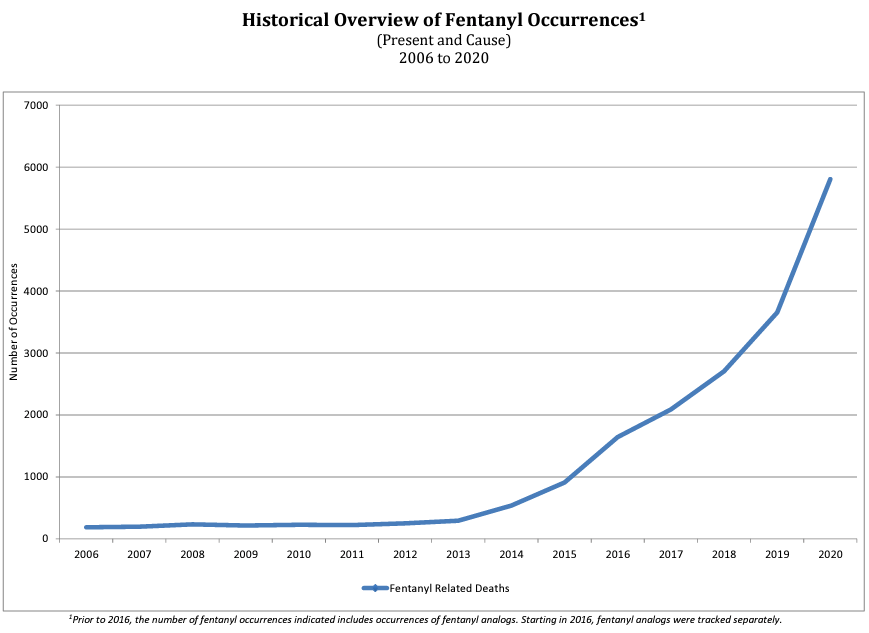
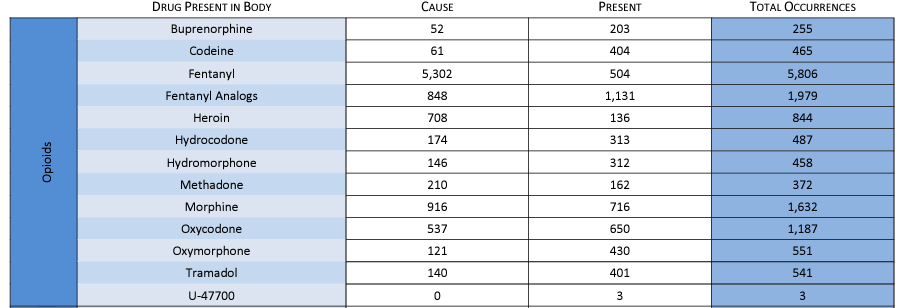
Opioid abuse, including prescription painkillers and illicit drugs like heroin, has reached alarming levels. Orange County has witnessed a rise in opioid-related deaths, mirroring a nationwide trend.
Methamphetamine:
The county has also experienced an upswing in methamphetamine abuse, reflecting a concerning trend observed across the state.
Synthetic Drugs:
The emergence of synthetic drugs, such as synthetic cannabinoids (commonly known as “Spice” or “K2”) and synthetic cathinones (known as “bath salts”), has contributed to the drug crisis in Orange County.
Factors Contributing to the Drug Crisis
Understanding the underlying factors contributing to the drug crisis is crucial in formulating effective strategies to stop drug dealers, find ways to prevent easy access to street and prescription drugs and help those who truly want to stop using fentanyl, heroin, xanax, and alcohol, find treatment.
Some notable factors include:
Easy Access to Prescription Drugs:
The widespread availability and over-prescription to prescription drugs, especially opioids have fueled the opioid epidemic, leading to addiction and subsequent illicit drug use.
Economic and Social Disparities:
Poverty, unemployment, and lack of access to education and healthcare are contributing factors that increase the vulnerability of individuals to drug abuse.
Demographic Factors:
Certain demographics, such as young adults and veterans, may face unique challenges and be at higher risk of substance abuse.
Consequences of the Drug Crisis
The opioid, heroin, and fentanyl crisis in Orange County has had severe consequences, affecting individuals, families, and communities.
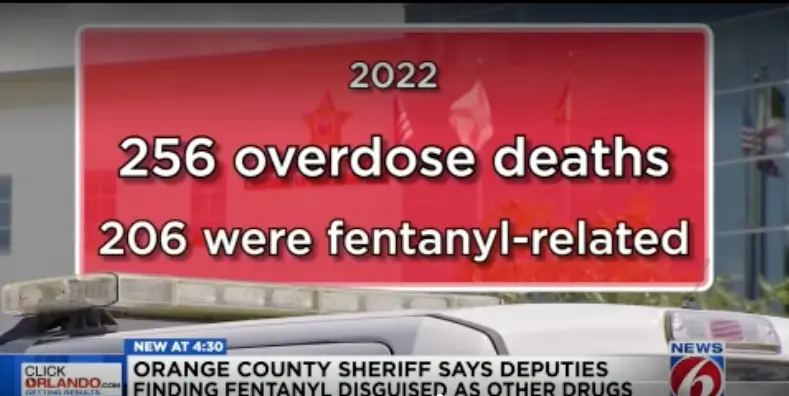
“We’re finding fentanyl mixed into almost every single drug out there, last year, 206 of the 256 overdose deaths were fentanyl-related” – Orange County Sheriff John Mina
The repercussions include:
Health Impacts:
Substance abuse leads to a range of health problems, including overdose, infectious diseases, mental health disorders, and increased strain on healthcare systems.
Crime Rates:
Drug addiction often drives individuals to engage in criminal activities to fund their habits, contributing to increased crime rates in affected communities.
Economic Burden:
The drug crisis places a significant economic burden on Orange County, impacting productivity, healthcare costs, and law enforcement resources.
Initiatives and Solutions
Recognizing the urgency of the situation, various stakeholders have implemented initiatives to address the drug crisis in Orange County.
These initiatives include:
Prevention Programs:
Implementing evidence-based prevention programs in schools and community centers to educate individuals about the risks associated with drug use.
Treatment and Rehabilitation:
Expanding access to treatment facilities, including medication-assisted treatment, counseling, and support services, to help individuals recover from addiction.
Harm Reduction Strategies:
Adopting harm reduction strategies, such as naloxone distribution programs and syringe exchange programs, to prevent overdose deaths and reduce the transmission of infectious diseases.
Community Partnerships:
Building strong partnerships between law enforcement agencies, healthcare providers, community organizations, and local residents to collaborate on comprehensive solutions.
Orange County Government in Florida Committed to Combat Opioid Overdoses and Overdose Deaths
Free Naloxone Nasal Spray Kits Available – The Florida Department of Health in Orange County (DOH-Orange) has announced the availability of free Naloxone (Narcan) Nasal Spray kits as part of its efforts to address the opioid overdoses, reduce drug overdoses and drug overdose deaths.
Naloxone is a medication that can reverse the effects of an opioid overdose, potentially saving lives. The details on the availability of these kits, eligibility requirements, distribution locations, and the broader initiatives aimed at battling the opioid epidemic in the region.
Stop Fatal Overdoses – Free Naloxone Nasal Spray Kits
The Department of Health-Orange County government is offering free Naloxone Nasal Spray kits to individuals at risk of experiencing an opioid overdose, those who have a history of drug use, individuals who use drugs, friends, family members, and others who may witness an overdose.
Each kit contains two Naloxone nasal sprays, which can be administered by bystanders before emergency medical assistance arrives. It is important to note that Naloxone does not replace professional medical care, and individuals should still call 911 immediately when an opioid overdose is suspected.
Eligibility and Distribution Locations
To obtain a kit from the Department of Health -Orange County government office, individuals must be 18 years old or older and fall into one of the following categories:
- at risk of experiencing an opioid overdose
- a caregiver likely to witness an overdose
- someone who may experience or witness an opioid overdose
The kits can be obtained at DOH-Orange offices located at the following addresses during regular business hours from Monday to Friday:
1. DOH-Orange Central Building #3: Immunization and TB/Refugee Health – 901 West Church Street, Orlando, FL 32805.
2. DOH-Orange Central Building #2: Vital Stats and Health Informatics & Records Management – 907 West Church Street, Orlando, FL 32805.
3. DOH-Orange Lila Mitchell Center, Suite B: Sunshine Care Center and STD Clinic – 5151 Raleigh Street, Orlando, FL 32811.
4. DOH-Orange Westside WIC, Suite 232: Women, Infants & Children (WIC) – 6218 W. Colonial Drive, Orlando, FL 32808.
5. DOH-Orange Southside Center: Family Planning / Prenatal and WIC – 6101 Lake Ellenor Drive, Orlando, FL 32809.
Administering Naloxone
Naloxone is designed to be administered by bystanders, even if they are not healthcare professionals, in situations where emergency medical assistance may not be immediately available. However, it is crucial to understand that Naloxone is not a substitute for professional medical care. In cases of suspected opioid overdose, individuals should promptly call 911 for immediate medical attention.
Recognizing the signs of an opioid overdose is essential for timely intervention. These signs may include slowed or ceased breathing, loss of consciousness or unresponsiveness, constricted pupils, weak pulse, and a bluish or pale skin color.
In the case of a fentanyl overdose, swift action is crucial. Seeking medical assistance immediately or administering naloxone, either through injectable form or nasal spray, can potentially save lives.
Available Resources, Support and Initiatives
The availability of Naloxone kits through county health departments, such as DOH-Orange County, plays a crucial role in increasing access to this life-saving medication and supporting individuals dealing with substance use disorders. These efforts are part of the broader response to the overdose crisis in Florida.
The Florida Department of Health collaborates with the Florida Department of Children and Families through the Overdose Prevention Program (iSaveFL), which facilitates the distribution of Naloxone kits to families, friends, and caregivers of those at risk of opioid overdose.
Furthermore, the state’s HEROS (Helping Emergency Responders Obtain Support) program provides free Naloxone to emergency response agencies, enabling first responders to address overdose situations promptly.
Governor Ron DeSantis launched the Coordinated Opioid Recovery (CORE) program, the first of its kind in the nation, to provide comprehensive and sustainable care for individuals affected by substance use disorder.
The availability of free Naloxone Nasal Spray kits through the Florida Department of Health in Orange County offers a valuable resource in the fight against the opioid crisis and opioid overdoses. By providing Naloxone to individuals at risk of opioid overdose and those who may witness an overdose, the aim is to prevent substance abuse, drug overdoses, and deaths.
Conclusion
The drug problem and crisis in Orange County, Florida, is a complex issue with profound consequences for individuals and community members. Addressing this crisis requires a multifaceted approach that combines prevention, treatment, and harm reduction. Narcotics Anonymous is free and has a 24 hour hotline if someone needs a meeting right away or to talk to someone who understands: 407-425-5157 or 866-579-8333
Local 12 Step Websites
COSA: http://www.cosa-recovery.org
CODA: http://www.onlinecoda.net
Al-Anon: http://al-anonorlando.org (online meetings available)
Smart Recovery: http://www.smartrecovery.org/ (online meetings available)
Resources:
https://orange.floridahealth.gov/newsroom/2022/12/substance-abuse-deaths.html
https://www.orangecountyfl.net/FamiliesHealthSocialSvcs/OrangeCountyHeroinTaskForce.aspx
https://www.isavefl.com/find-naloxone.shtml
https://www.floridahealth.gov/licensing-and-regulation/ems-system/heros.html
Your Guide to Addiction Treatment and Recovery Services
Finding the right treatment program for drug and alcohol addiction can feel overwhelming, especially when you or a loved one is struggling with substance abuse. Orange County Florida rehab facilities offer a range of services designed to help individuals overcome addiction and begin their recovery journey. This comprehensive guide explores the treatment options, costs, and resources available throughout Orange County to support lasting recovery.
Understanding Addiction Treatment in Orange County
Orange County, located in Central Florida near Orlando, provides access to numerous rehab centers that treat a wide range of substance use disorders. These facilities offer evidence-based therapy and care to patients dealing with addiction to alcohol, opioids, and other drugs. The community has developed robust services to address the specific needs of individuals seeking help for their conditions.
Treatment programs in the area focus on providing tailored approaches that consider each patient’s unique circumstances. From residential treatment to outpatient services, the region offers different levels of care to accommodate various stages of recovery. Understanding these options is the first step toward finding the right program for your situation.
Medical Detox Services and Withdrawal Management
Medical detox is often the first step in the treatment process for many individuals entering rehab. During this phase, patients undergo supervised withdrawal from substances under the care of a medical team. This process helps manage withdrawal symptoms safely and prepares individuals for the next steps in their recovery.
Detox programs in Orange County utilize evidence-based protocols to help patients through this challenging time. The medical team monitors health conditions and provides support to minimize discomfort. Most detox programs last between several days to a week, depending on the substance involved and individual patient factors.
Residential Treatment Programs
Residential treatment offers an immersive recovery experience where clients live at the facility while receiving comprehensive care. These programs typically range from 30 to 90 days and provide structure, therapy, and education about addiction and recovery. Patients have access to individual counseling, group therapy, and family therapy sessions.
Orange County residential programs focus on treating the whole person, addressing both the addiction and any underlying mental health disorders. This dual-diagnosis approach helps individuals understand the relationships between their conditions and develop coping strategies for life after treatment.
Outpatient Services and Community Support
For those who cannot commit to residential treatment or need step-down care, outpatient services provide flexible options. These programs allow individuals to maintain their daily responsibilities while attending therapy sessions at the facility. Outpatient programs typically meet several hours per week and offer continued support during recovery.
The community in Orange County offers additional resources including support groups, recovery meetings, and sober living environments. These services help individuals stay connected and maintain their progress after completing formal treatment programs.
Rehab Cost and Financial Considerations
Understanding rehab cost is essential when planning for treatment. The cost of addiction treatment varies based on the type of program, length of stay, and services provided. Residential treatment typically costs more than outpatient options due to the housing and comprehensive care provided.
Many facilities in the area work with individuals to verify insurance coverage and determine out of pocket costs before beginning treatment. Payment plans and sliding scale fees may be available for those with limited financial resources. Some programs also accept Medicare and Medicaid, making treatment more accessible to a broader range of patients.
Insurance Coverage and Payment Options
Insurance coverage plays a significant role in making treatment affordable for many individuals. Most health insurance plans provide some level of coverage for addiction treatment services. The verification process helps determine what services are covered and what costs the patient may need to pay.
Facilities in Orange County typically have staff dedicated to helping clients navigate the insurance process. They can assist with verification, explain coverage benefits, and work with insurance companies to ensure patients receive the care they need. Understanding your coverage before entering treatment helps avoid unexpected financial burdens.
Housing Rehabilitation Program and Sober Living
A housing rehabilitation program provides safe, supportive living environments for individuals in recovery. These sober living homes offer structure and accountability while residents transition back to independent life. Residents typically follow house rules, attend recovery meetings, and participate in community activities.
Sober living in Orange County provides a bridge between intensive treatment and returning to everyday life. These programs help individuals practice the skills they learned in treatment while surrounded by peers who understand their journey. The supportive environment reduces the risk of relapse during this vulnerable period.
Finding the Right Program in Orange County
Choosing the right rehab program requires careful consideration of your specific needs, preferences, and circumstances. Factors to consider include the severity of addiction, any co-occurring mental health conditions, personal responsibilities, and financial situation. Visiting facilities and speaking with admissions staff can help you learn more about available options.
Recovery is possible with the right treatment and support. The range of services available in Orange County ensures that individuals can find programs that match their needs at every step of their recovery journey. Taking that first step to seek help is often the most challenging part, but it leads to a path of healing and renewed life.
Types of Addiction Treatment Programs
Treatment centers offer various program types to address specific needs of patients at different stages of recovery.
Inpatient Rehabilitation
Inpatient programs provide around-the-clock care in a structured environment. Patients stay at the facility throughout their treatment, receiving intensive therapy and medical supervision.
Outpatient Treatment Options
Outpatient programs allow clients to live at home while attending scheduled treatment sessions. This option works well for those with strong support systems and less severe addictions.
Partial Hospitalization Programs
These programs offer intensive treatment during the day while allowing patients to return home in the evenings. They provide a step-down level of care from inpatient treatment.
Therapy Approaches in Treatment
Modern rehab facilities employ evidence-based therapeutic approaches to treat addiction and co-occurring mental health conditions.
Individual therapy sessions help patients explore the root causes of their addiction and develop personalized coping strategies. Group therapy provides peer support and allows individuals to learn from others in recovery.
Family therapy addresses the impact of addiction on relationships and helps repair damaged connections. Many programs also incorporate holistic therapies like meditation and exercise to support overall health and wellness.
Access to Care in Orlando and Surrounding Areas
The greater Orlando area within Orange County FL offers numerous treatment options for individuals seeking help. Facilities range from luxury residential centers to community-based outpatient programs.
Transportation services and flexible scheduling help ensure patients can access the care they need. Many centers also offer telehealth options for continued support and follow-up appointments.
Taking the First Step Toward Recovery
Beginning the recovery process starts with reaching out for help. Admissions staff at treatment centers can walk you through the intake process and answer questions about available programs.
The verification process for insurance typically takes a short time, and many facilities can begin treatment within hours or days of the initial contact. Support is available around the clock for those ready to take the next step toward a healthier life.
Common Questions About Rehab in Orange County
Are there detox centers near Orange County?
Yes. 10 of the facilities listed here offer detox, including Florida Treatment Services LLC, Aspire Health Partners and Central Florida Treatment Center – Orlando OP MAT. Medical detox is often the first step for alcohol, opioid, or benzodiazepine dependence, because withdrawal from these can be dangerous without supervision.
Do rehabs near Orange County accept Medicaid?
17 of the 22 facilities listed accept Medicaid, and 6 offer a sliding fee scale based on income. Call the facility to confirm they are taking new Medicaid patients.
What is the difference between inpatient and outpatient rehab?
Residential (inpatient) programs have you live at the facility, usually for 30 to 90 days, and suit people who need structure or a break from their environment. Outpatient and intensive outpatient programs let you live at home and attend treatment during the day or evening. Near Orange County, 8 facilities offer residential care and 11 offer intensive outpatient programs.
Is there free or low-cost rehab near Orange County?
Some options are available. Near Orange County, 6 facilities offer a sliding fee scale based on income, 14 are state or federally funded, and 6 offer payment assistance. Call ahead to ask what you would pay.
Which cities in Orange County have rehab centers?
Treatment facilities listed here are in Orlando (16), Apopka (3), Winter Park (1), Maitland (1) and Ocoee (1). Choose a city page for the closest options, or use the search to filter by type of care and insurance.
Can I get medication-assisted treatment near Orange County?
Yes. 17 facilities near Orange County offer medication-assisted treatment (MAT), which combines medications such as buprenorphine, methadone or naltrexone with counseling. See MAT programs in Florida to learn how it works.
